The allure of luxury has long been intertwined with a sense of exclusivity and opulence, but a new wave of conscientious consumers is reshaping the industry. Sustainable jewelry, once a niche market, has surged into the mainstream, driven by a growing demand for ethical and environmentally friendly alternatives. At the heart of this movement are lab-grown diamonds and recycled metals, offering a guilt-free indulgence that doesn’t compromise on brilliance or beauty. This shift isn’t just a trend—it’s a reflection of a deeper cultural transformation where luxury and responsibility coexist.
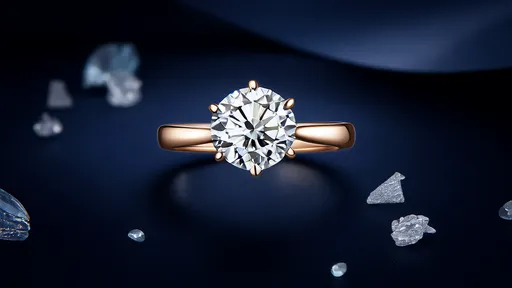
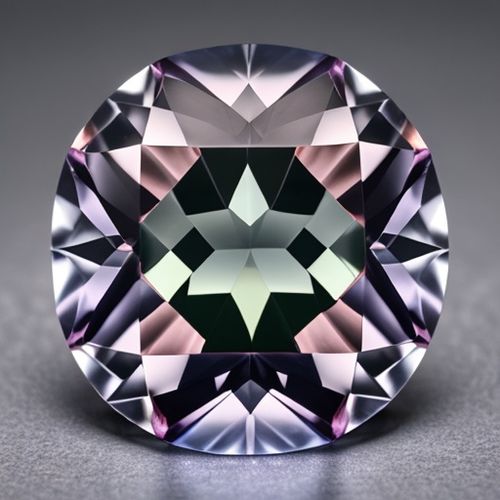
Lab-grown diamonds have emerged as a game-changer in the jewelry industry. Unlike traditional mined diamonds, which often come with ethical concerns such as exploitative labor practices and environmental degradation, these gems are cultivated in controlled laboratory environments. Using advanced technological processes like Chemical Vapor Deposition (CVD) or High Pressure High Temperature (HPHT), scientists can create diamonds that are chemically, physically, and optically identical to their natural counterparts. The result? A stone that sparkles just as brightly but without the heavy moral or ecological footprint. For many consumers, this innovation represents the perfect marriage of science and sustainability.
The appeal of lab-grown diamonds extends beyond their ethical credentials. They are typically more affordable than mined diamonds, making high-quality jewelry accessible to a broader audience. This democratization of luxury aligns with the values of younger generations, particularly Millennials and Gen Z, who prioritize transparency and sustainability in their purchasing decisions. Jewelry brands have taken note, with major players and indie designers alike incorporating lab-grown stones into their collections. The message is clear: sustainability is no longer a compromise—it’s a selling point.
Recycled metals are another cornerstone of the sustainable jewelry movement. Gold, silver, and platinum mining have historically been associated with significant environmental harm, including deforestation, water pollution, and carbon emissions. By opting for recycled metals, jewelers can drastically reduce these impacts. Recycled gold, for instance, requires far less energy to process than newly mined gold, and it prevents additional damage to ecosystems. Moreover, using reclaimed metals gives new life to existing materials, embodying the principles of a circular economy.
The process of refining and repurposing these metals has become increasingly sophisticated, ensuring that the final product meets the highest standards of quality. Whether it’s a delicate gold chain or a statement silver ring, recycled metal jewelry carries the same prestige as pieces made from newly sourced materials. For consumers, this means they can enjoy the luxury they desire while supporting practices that protect the planet. It’s a win-win scenario that’s resonating with a growing segment of the market.
What’s particularly striking about this movement is how it challenges traditional notions of value in the jewelry industry. For centuries, rarity and origin have been key determinants of worth, with natural diamonds and freshly mined metals commanding premium prices. But as awareness grows about the hidden costs of these materials, perceptions are shifting. Consumers are beginning to question whether the allure of rarity justifies the ethical and environmental toll. In this new paradigm, value is increasingly tied to sustainability and innovation rather than just scarcity.
Brands that embrace this ethos are finding fertile ground. From established luxury houses to emerging designers, the emphasis on transparency and ethical sourcing is becoming a hallmark of modern jewelry. Many companies now provide detailed information about the origins of their materials, offering customers peace of mind. Certifications from organizations like the Responsible Jewellery Council (RJC) or the Gemological Institute of America (GIA) further bolster confidence in these products. This level of accountability was once rare in the industry, but it’s now becoming an expectation.
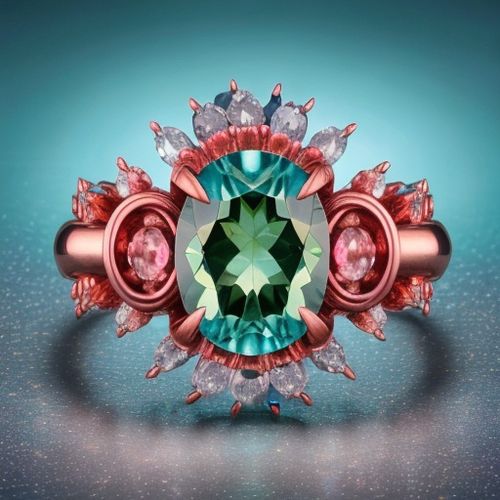
The rise of sustainable jewelry also reflects broader societal changes. Climate change, social justice, and corporate responsibility are no longer peripheral issues—they’re central to consumer decision-making. People want to know that their purchases align with their values, and the jewelry industry is no exception. This isn’t about sacrificing luxury; it’s about redefining it. A lab-grown diamond engagement ring or a recycled gold bracelet isn’t just a piece of jewelry—it’s a statement of principles.
Looking ahead, the momentum behind sustainable jewelry shows no signs of slowing. As technology continues to advance, the quality and variety of lab-grown diamonds and recycled metals will only improve. Meanwhile, consumer demand for ethical options is likely to grow, pushing even more brands to adopt sustainable practices. The result will be an industry that’s not only more responsible but also more innovative and inclusive. The era of guilt-free luxury is here, and it’s dazzling.
Ultimately, the shift toward sustainable jewelry represents a profound evolution in how we think about adornment. It’s no longer just about what looks beautiful—it’s about what feels right. Whether through the precision of lab-grown diamonds or the renewed purpose of recycled metals, today’s jewelry tells a story of mindfulness and care. And in a world where every choice matters, that’s a narrative worth wearing with pride.
By /Jun 24, 2025
By /Jun 24, 2025
By /Jun 24, 2025

By /Jun 24, 2025
By /Jun 24, 2025
By /Jun 24, 2025
By /Jun 24, 2025
By /Jun 24, 2025
By /Jun 24, 2025
By /Jun 24, 2025
By /Jun 24, 2025

By /Jun 24, 2025
By /Jun 24, 2025
By Ryan Martin/Apr 27, 2025
By James Moore/Apr 27, 2025
By Megan Clark/Apr 27, 2025
By Benjamin Evans/Apr 27, 2025
