The fashion landscape is undergoing a quiet revolution as the boundaries between private comfort and public style dissolve before our eyes. What began as a pandemic-induced embrace of loungewear has evolved into a sophisticated aesthetic movement dubbed the "sleep capsule" trend - where pajama-inspired designs are being reimagined as legitimate streetwear. This isn't merely about wearing sweatpants to the grocery store; it's a philosophical shift in how we define appropriateness in fashion, blending the tactile poetry of sleepwear with the visual language of urban style.
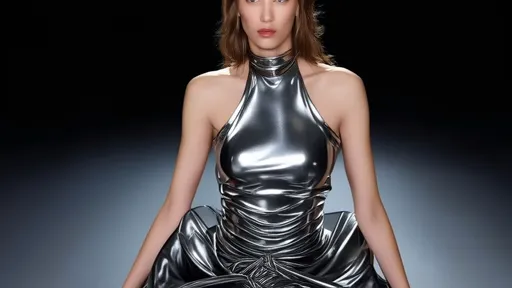
Design houses from New York to Tokyo have caught the zeitgeist, sending silk pajama sets down runways styled with stilettos and structured blazers. The look plays with contradictions: billowy satin trousers paired with motorcycle jackets, delicate lace trim contrasting against chunky sneakers. What makes this different from previous "underwear as outerwear" trends is its deliberate homage to the ritual of sleep rather than mere provocation. These pieces carry the whisper of bedtime stories and lazy Sunday mornings into the harsh fluorescence of city life.
Fabric technology has been crucial to this movement's credibility. Advanced textiles now offer the cloud-like softness of pajamas with the durability needed for daily wear. Temperature-regulating silks, wrinkle-resistant cottons, and moisture-wicking linens allow sleepwear-inspired pieces to function equally well in board meetings and bedtime routines. This technical evolution means the sleep capsule wardrobe isn't just aesthetically pleasing but genuinely practical - clothes that transition seamlessly from Zoom calls to cocktails to actual sleep without sacrificing comfort or style.
The psychology behind this trend reveals much about our post-pandemic values. After years of lockdowns that made our homes the center of existence, people are reluctant to fully abandon that sanctuary mentality. The sleep capsule aesthetic serves as a sartorial security blanket, allowing wearers to carry the psychological comfort of home into public spaces. It's fashion as emotional armor - the equivalent of taking your favorite childhood stuffed animal to a job interview, but rendered socially acceptable through impeccable tailoring.
Street style photographers have noticed an interesting phenomenon: the most compelling fashion moments often occur when this trend is styled with intentional dissonance. A cashmere sleep mask worn as a neck scarf, quilted bed jackets layered over slip dresses, embroidered nightgowns belted over jeans - these unexpected combinations create visual tension that feels fresh in an era of over-curated Instagram aesthetics. The look celebrates improvisation, suggesting that true style emerges from personal comfort rather than rigid fashion rules.
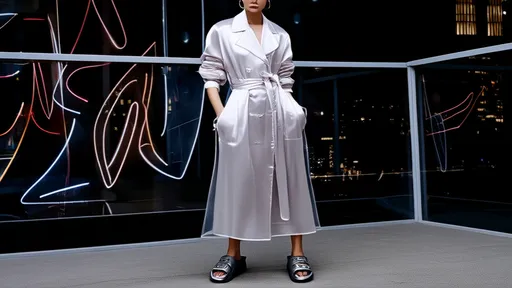
Luxury brands have approached the trend with particular nuance. Brands like Sleeper and Lunya have built entire identities around elevated sleepwear that functions as daywear, while traditional fashion houses are incorporating sleep capsule elements into their main collections. The key differentiator is in the details: piping that references classic pajama silhouettes but in luxe leather, nightshirt-inspired dresses cut from technical performance fabrics, robe-style coats with architectural structuring hidden beneath the drape.
This movement also reflects changing attitudes toward productivity culture. The sleep capsule aesthetic proudly bears the marks of its intended purpose - you can see the creases where someone might have actually slept in these clothes, the slight pilling that comes from being loved through multiple wears and washes. In an era obsessed with "hustle porn," there's something quietly radical about fashion that celebrates rest, that elevates the garments of repose to high style.
Social media has accelerated the trend's evolution, with platforms like TikTok spawning countless "sleepwear styling hacks" tutorials. Young consumers particularly embrace the democratic nature of the look - expensive designer versions coexist with thrifted vintage finds, and the styling possibilities reward creativity over budget. The hashtag #SleepCapsuleStyle reveals an entire subculture treating bedtime aesthetics as a legitimate fashion genre, complete with its own influencers and style icons.
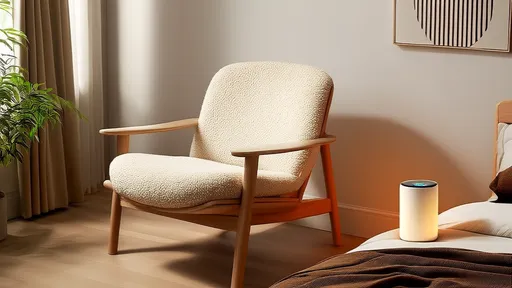
As the sleep capsule trend matures, we're seeing it influence broader design conversations. Interior designers report clients requesting bedrooms that feel "instagrammable" yet genuinely restful, while furniture companies develop pieces that blend the comfort of beds with the sophistication of lounge seating. This represents more than a passing fad; it's a fundamental reimagining of how we inhabit both private and public spaces in an increasingly fluid world.
The most compelling aspect of this trend may be its inherent contradiction. At its core, sleepwear represents our most vulnerable, unguarded selves - the version of us that exists outside societal performance. By bringing these garments into daylight, we're not just making a style statement but engaging in a subtle act of resistance against the constant self-presentation demanded by modern life. The sleep capsule aesthetic allows us to move through the world wrapped in the soft armor of our private selves, challenging the notion that professionalism and authenticity can't coexist in our wardrobe choices.
What began as a practical response to lockdown living has blossomed into one of the most conceptually rich fashion movements in recent memory. As work-life boundaries continue to blur, our clothing follows suit - not through thoughtless sloppiness, but through deliberate choices that honor the full spectrum of human experience, from boardroom to bedroom and all the liminal spaces in between. The sleep capsule trend isn't just changing how we dress; it's reshaping how we think about the relationship between our private comforts and public identities.

By /Jun 25, 2025
By /Jun 25, 2025
By /Jun 25, 2025
By /Jun 25, 2025

By /Jun 25, 2025

By /Jun 25, 2025

By /Jun 25, 2025
By /Jun 25, 2025
By /Jun 25, 2025
By /Jun 25, 2025
By /Jun 25, 2025
By /Jun 25, 2025

By /Jun 25, 2025

By /Jun 25, 2025
By /Jun 25, 2025
By /Jun 25, 2025
By /Jun 25, 2025
